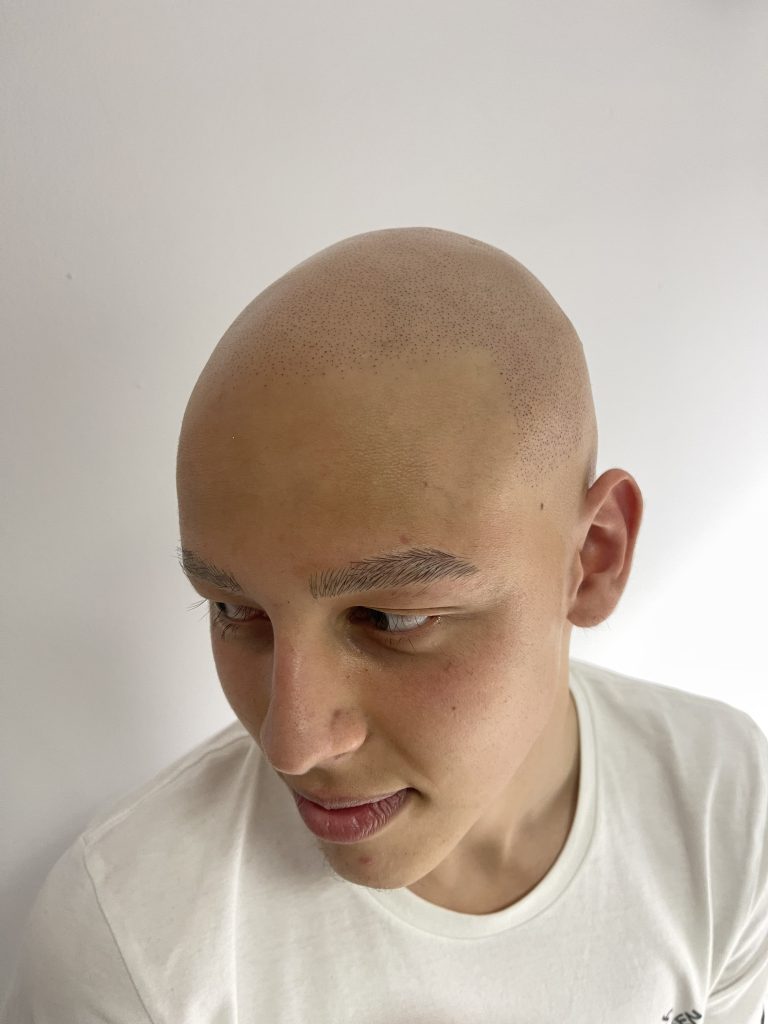
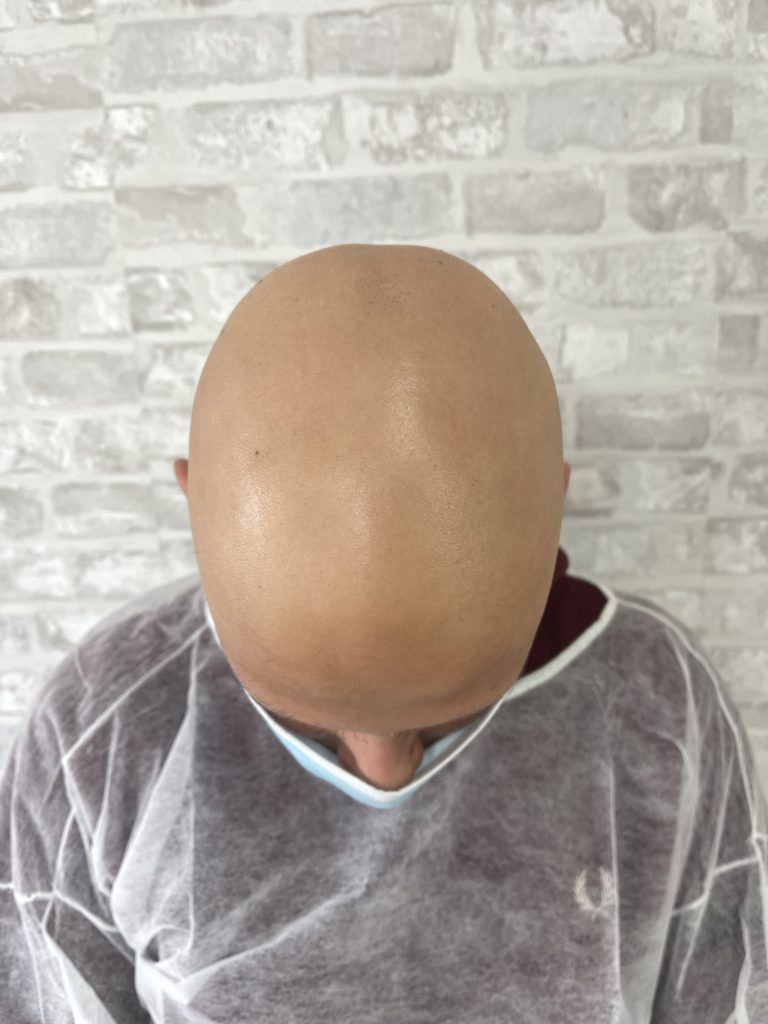
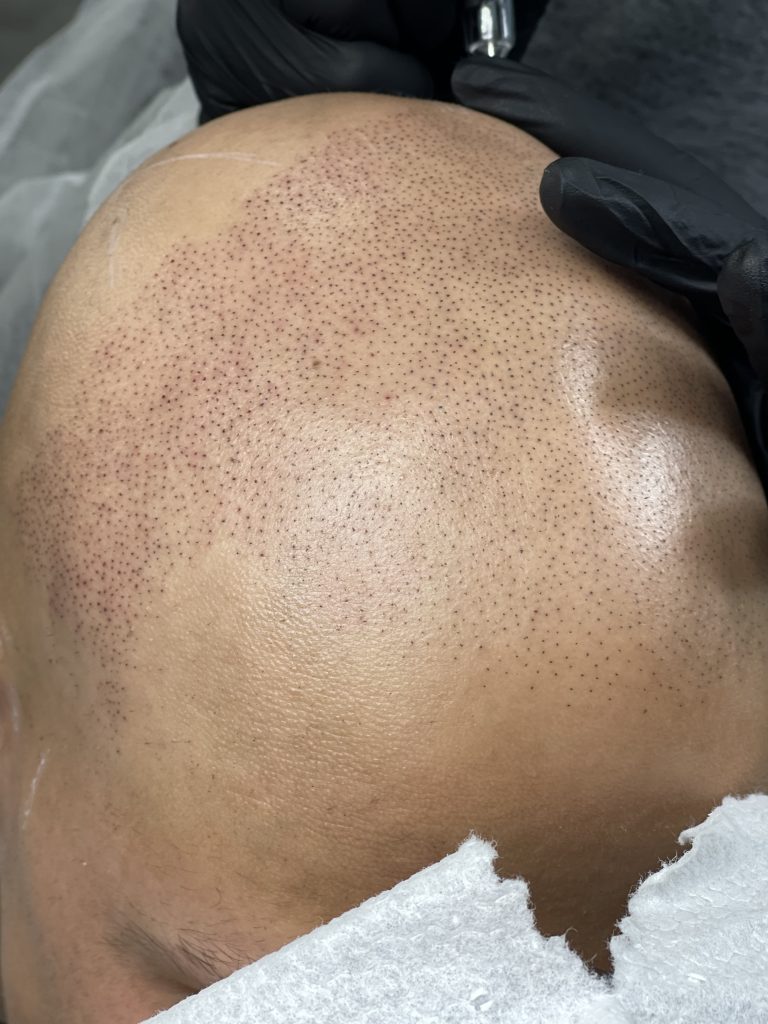
Understanding Alopecia
Alopecia can take many different forms. One of the most common types, alopecia areata, causes patches of hair loss on the scalp. It can affect both men and women and, over time, the hair loss may disappear and return without warning. It can be a distressing condition, and there is still much to learn about it, with limited treatment options that work effectively for everyone.
In some cases, alopecia areata can progress to alopecia totalis, which results in complete hair loss across the scalp. Other common types include traction alopecia, telogen effluvium, and scarring alopecia.
Although research into alopecia is still ongoing, genetics are believed to play a role. When one or more family members experience alopecia, there may be a higher likelihood of other family members developing the condition. Alopecia can also be linked to changes in the immune system, causing the body to mistakenly attack healthy hair follicles.
Regardless of the type of alopecia, Scalp Micropigmentation (SMP) can be an effective way to camouflage the visible effects of hair loss, helping to restore a more natural appearance and, importantly, confidence.
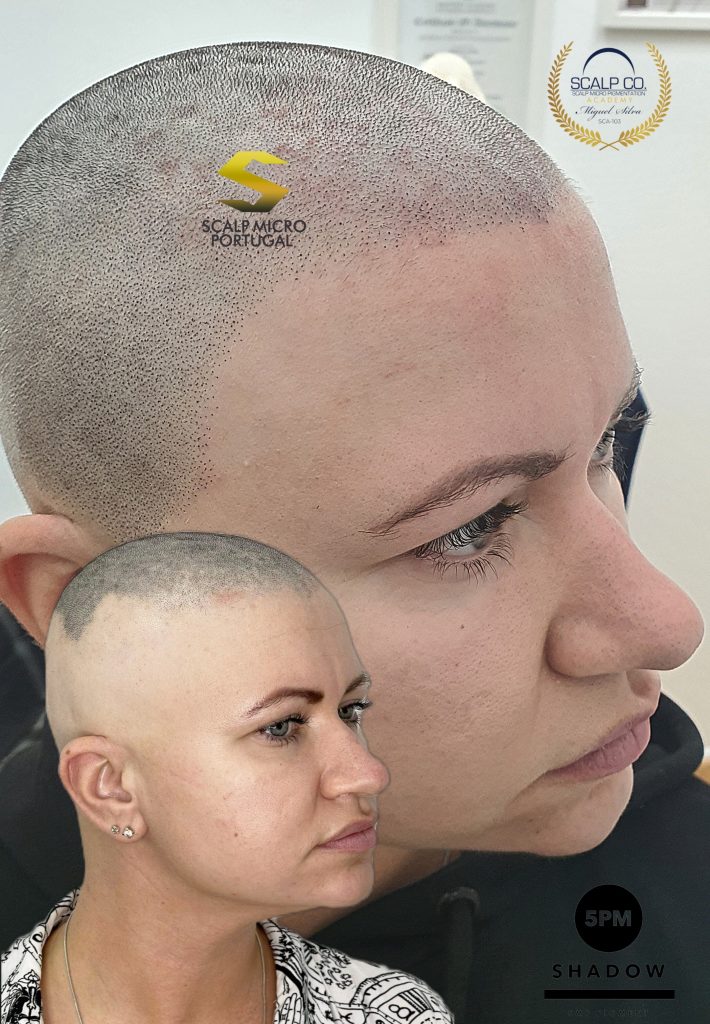
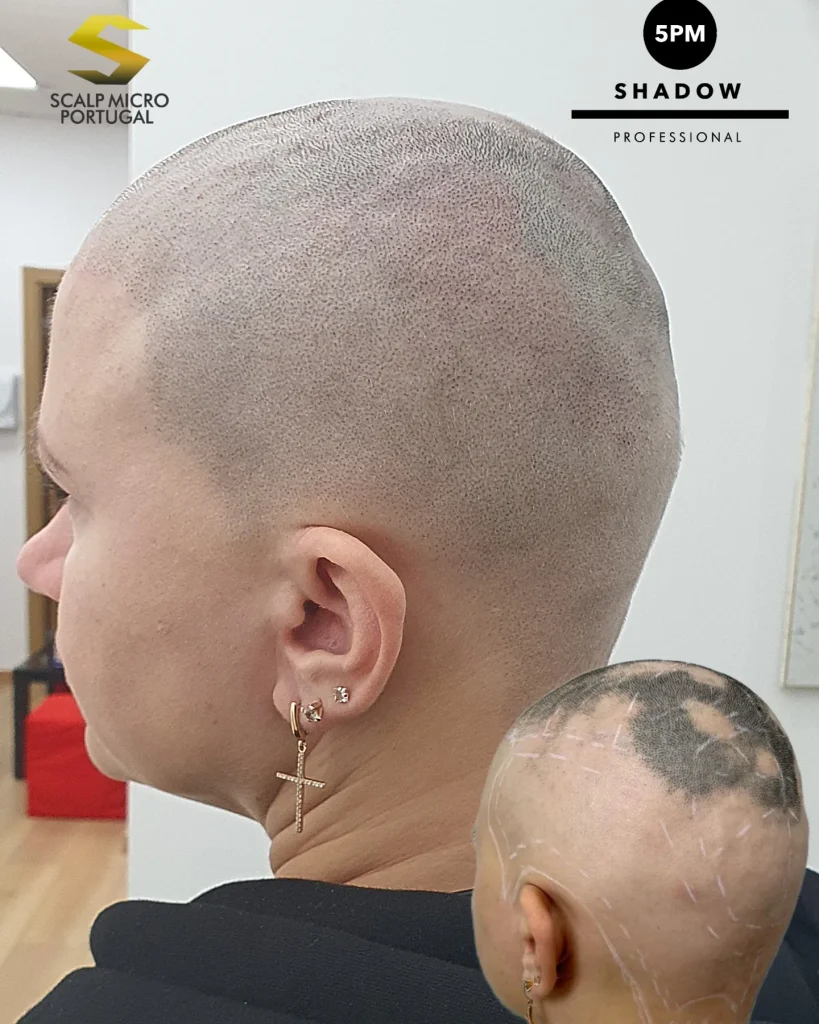
Alopecia
Alopecia can affect people in different ways and can occur in both men and women.
For example, alopecia areata can cause small or larger areas of hair loss. In some cases, the hair may grow back and then fall out again later. Other types include alopecia totalis, traction alopecia, telogen effluvium, and scarring alopecia.
The causes can vary from person to person and may be linked to several factors, including genetics and changes in the immune system.
That is why every case of alopecia is different, and Scalp Micropigmentation may not be suitable or recommended in the same way for everyone.
At Scalp Micro Portugal, we assess each case individually to understand whether SMP may be a suitable option and to determine the best approach for your specific needs.
More than simply concealing hair loss, our goal is to help create a natural-looking appearance and, above all, help restore some of the confidence that alopecia may have taken away.
Every case is unique. Let’s talk about yours.
Examples of our work